
The National Museum of Liberia partnered with Joy Media to ideate on both the positive cultural impact of new technologies and the cautions of digital repatriation.
UX CASE STUDY · MIXED REALITY · CULTURAL MEMORY
A collaborative mixed-reality concept for the National Museum of Liberia—grounded in research with Afro-diasporic participants and shaped by a commitment to agency, context, and cultural care.
ROLE
Research Lead · UX Strategy · Interaction Design
FOCUS
Digital Repatriation | African Storytelling
TIMELINE
7 months · research to prototype
of Participants expressed a desire to travel to Africa post-interview
of Users said they found the MR-Prototype impactful
75%
of Users expressed interest in discovering new stories in the App
How might a museum invite people into African stories without flattening, extracting, or speaking over them?
Ubuntu began as a question about digital repatriation—not just how culture can be represented through technology, but who gets to shape the encounter. The project reframed immersive media as an invitation to listen, explore, and make meaning together.
Background Exploration - Research Justification
Defining the Space & Key Context
Key Terms
In the context of this study we define the following as:
01 — GENERATIVE RESEARCH & DISCOVERY
Research Phase I
The first phase established the context around cultural preservation, museum practice, and the role that digital access could play after an exhibit closes. It grounded the project in the questions that mattered before any interface decisions were made.
The objective of this study was to understand how self-identifying, afro-diasporic people who wish to reestablish a connection with Africa perceive, understand, and connect with African storytelling in the context of reconnection with their ancestry. The goal was to learn about how these stories are experienced currently, both in museum and non-museum contexts to understand if they are effectively communicating the “soul” of African stories.
SUBJECT MATTER EXPERTS
Curiosity Zones
The first phase established the context around cultural preservation, museum practice, and the role that digital access could play after an exhibit closes. It grounded the project in the questions that mattered before any interface decisions were made.
The objective of this study was to understand how self-identifying, afro-diasporic people who wish to reestablish a connection with Africa perceive, understand, and connect with African storytelling in the context of reconnection with their ancestry. The goal was to learn about how these stories are experienced currently, both in museum and non-museum contexts to understand if they are effectively communicating the “soul” of African stories.
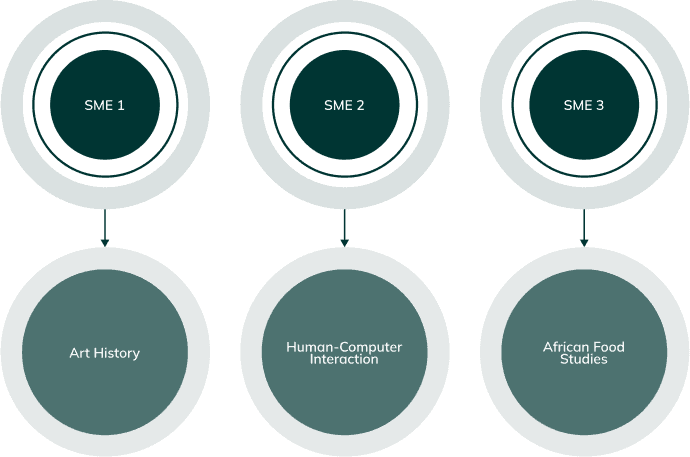
To better understand the space we began with interviews of Subject Matter Experts.
SMEs were able to direct us in discovering and navigating the nuances of the space
Conducted 3, 1-hr sessions consisting of semi-structured interviews
Employed the waterfall method to aid us in connecting with more SMEs
01
Essence of African Storytelling
02
Role of technology in this space
03
Relationship between storyteller and audience
TAKEAWAYS
Our Subject Matter Experts helped us not only understand the complexities of the space but challenged the basis for our initial research direction.
WHO ARE WE DESIGING FOR?
Planting a Flag
We cannot solve the diaspora nor can we approach all African and Afro-diasporic cultures as the same.
WHAT ARE THE IMPLICATIONS?
Digitization
Product Solutions highlighting technology bring concerns: concerning both Accessibility and Implementation
WHAT IS OUR INTENTION?
Harsh Realities
There are many harsh realities not only in this product space/industry but surrounding the Black experience.
04 — PEOPLE
Participant Profile
The participant profile made the audience tangible: different levels of familiarity with museum collections, different relationships to technology, and different motivations for engaging with cultural material. Designing for that range meant making the experience legible, welcoming, and respectful of context.
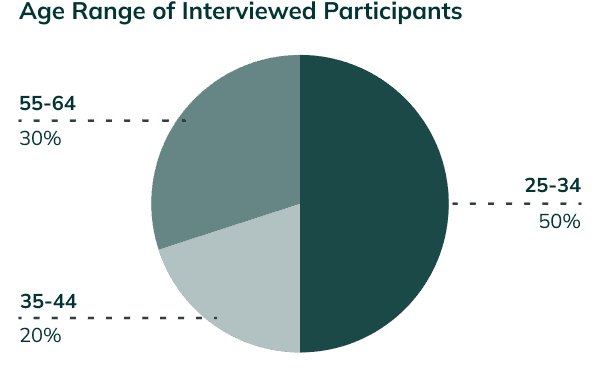
Our focus was on connecting with a diverse range of Afro-diasporic individuals to better represent the diversity of our space. Participants were based in the US and chosen from varying age ranges, in line with grounded theory, to better inform our study.
Inclusion Criteria: Our participants will consist of self-identifying afro-diasporic people who wish to feel more connected to Africa. We wanted to avoid assuming that all Afro-diasporic populations have the same motivations or desire for connection.
Exclusion Criteria: Afro-diasporic people who are not seeking to connect with Africa or those who do not consider themselves as part of the African diaspora.
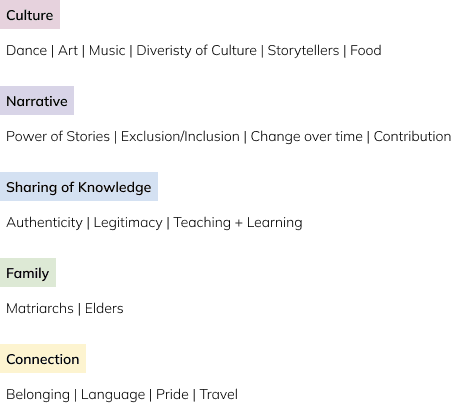
After compiling all of the raw data from the participants and identifying areas of interest, we developed a codebook and assigned different colors to the chunked content based on the corresponding code. This allowed us to better identify and group themes
Codes
Codebook
After compiling all of the raw data from the participants and identifying areas of interest, we developed a codebook of different colors. The chunked content was assigned a color based on the corresponding code allowing us to better identify and group themes.
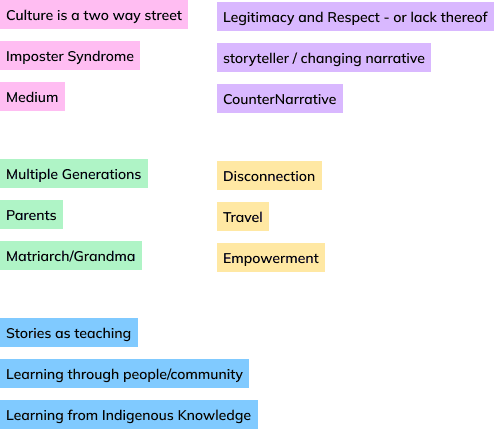
Subgroups Formed
Subgroups
We moved the coded data to a Figjam board and grouped similar content together to create subgroups. We used the themes that appeared in the affinitized categories to drive the ideation of our design opportunities.
02 — SYNTHESIS
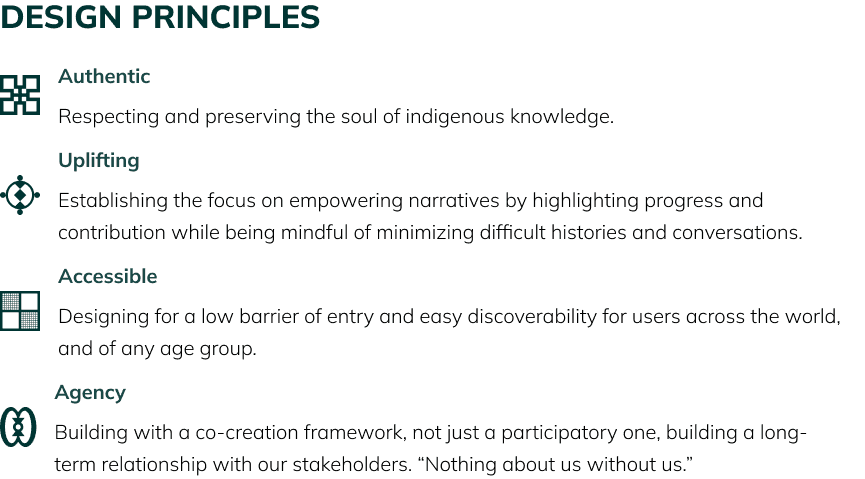
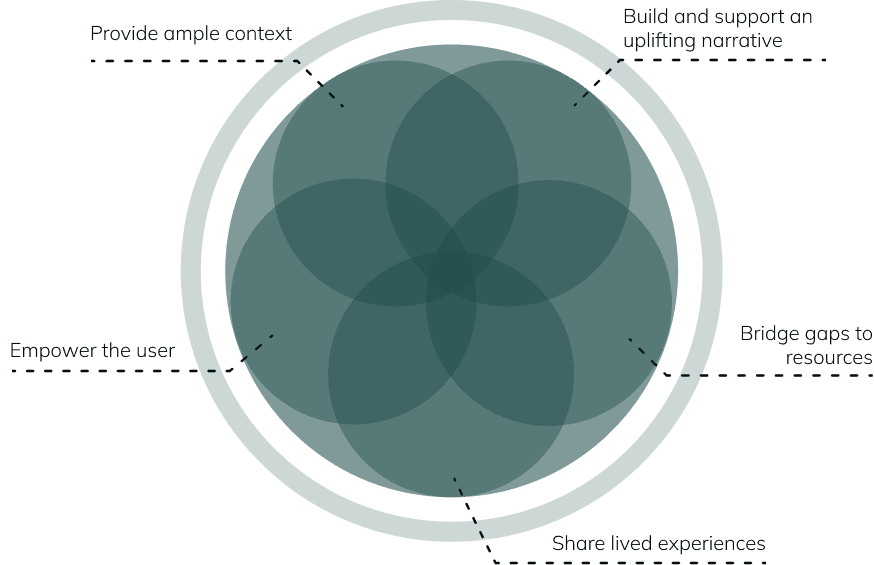
Based on our Generative Research and the insights from our study we created a set of principles which could not only guide the creation of our product, but also help to inform the conversation and others in the space on how to ethically incorporate and consider technology in this space.
CONCEPT GENERATION
After generating insights from both the workshop itself and our existing research, we refined the problem statement our participants had developed. Then we diverged to come up with 60 ideas, 20 each, as potential solutions to the refined problem statement.
Then we converged to affinitize and reafffinitize the solutions into distinct groups. After a round of dot voting we identified which loci of clusters held the greatest resonance within our team in order to determine the foundation of our design solution.
01 / WHAT IS OUR INTENTION?
Bridging Gaps to Resources
The problem space of highest resonance to our participants was that of decreasing the effort and cost to discovering authentic resources on African culture, experiences, and history.
02 / WHO IS THIS FOR?
Encompassing All Experiences
There are many Afro-nations and cultures across the world that diasporic individuals may wish to connect with. Our platform should consider how these stories may be included.
03 / WHAT STORIES DO WE COVER?
Balancing the Narrative Focus
While it is important to promote the telling of African stories in a positive and engaging fashion we should not shy away from certain negative stories or harsh truths. Those too have a place.


05 — MAKING
Product Concept
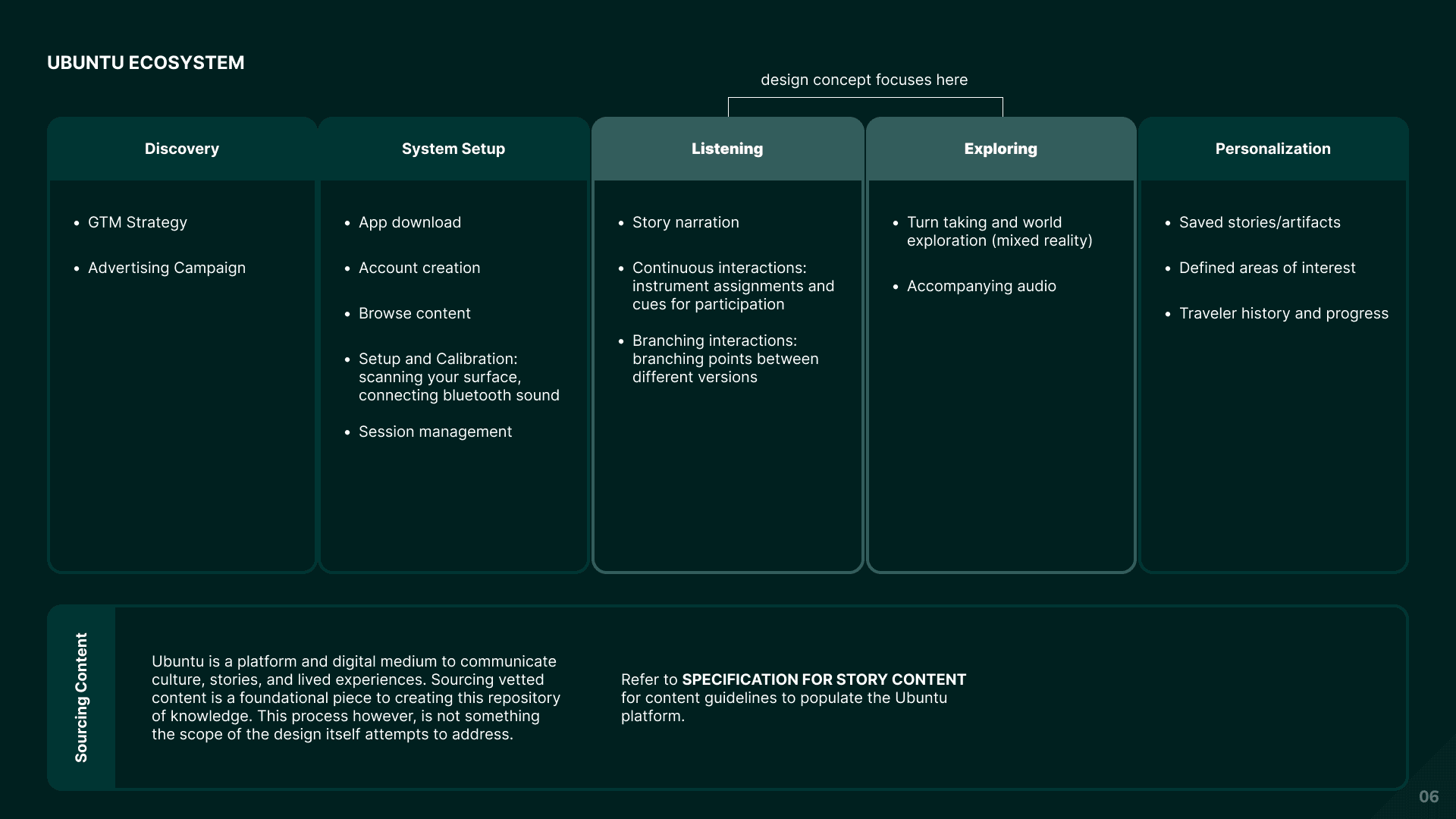
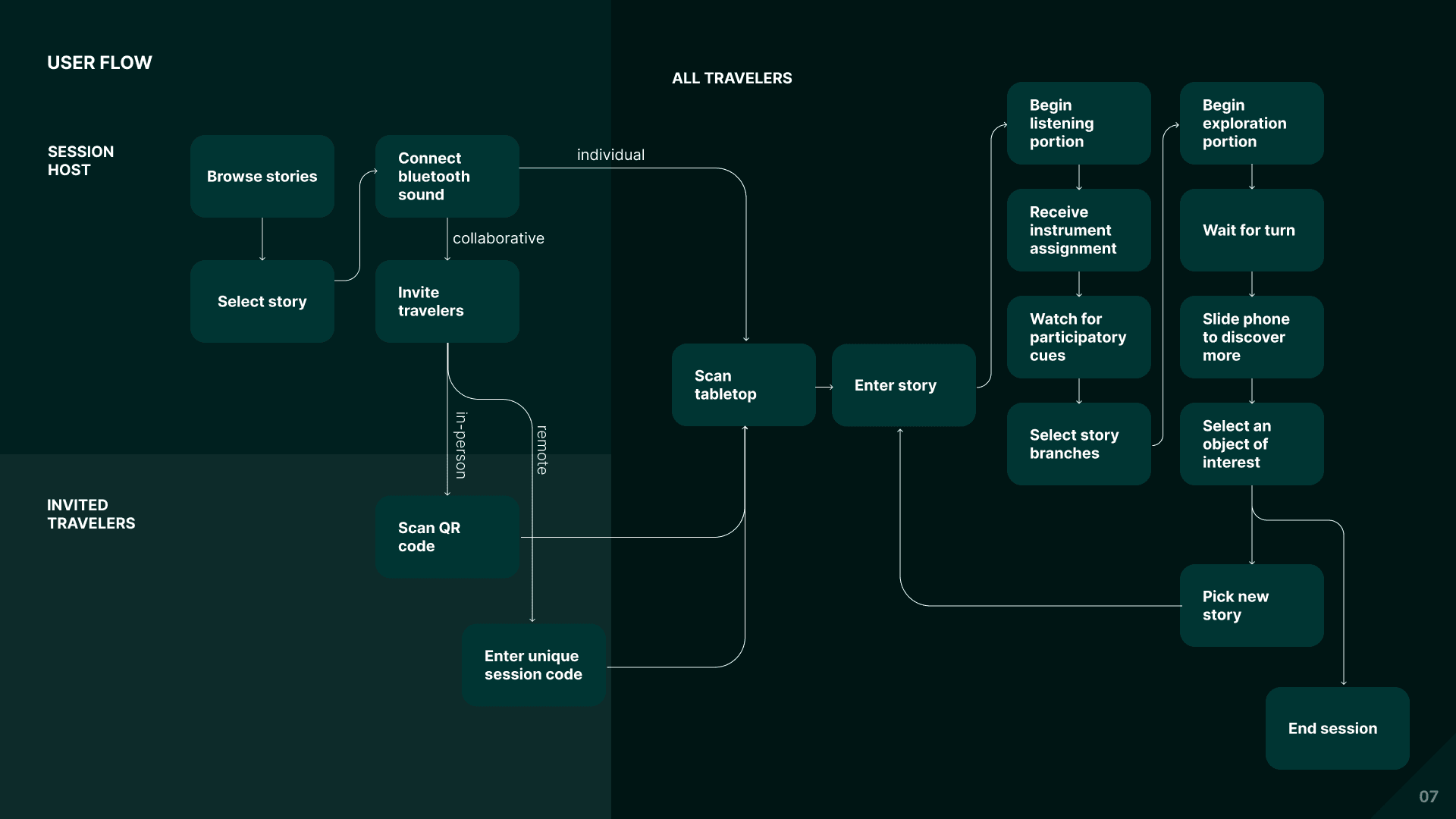
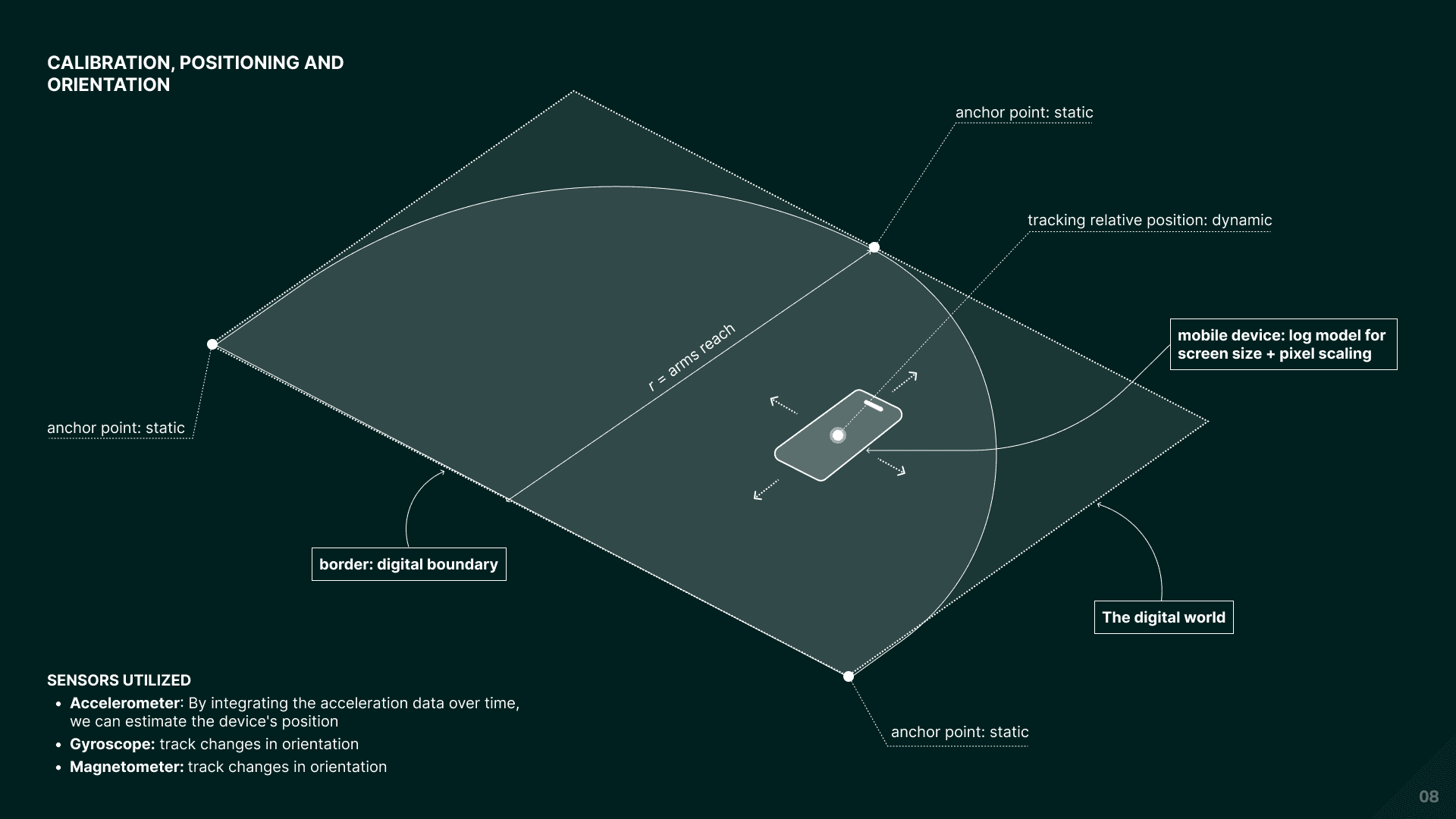
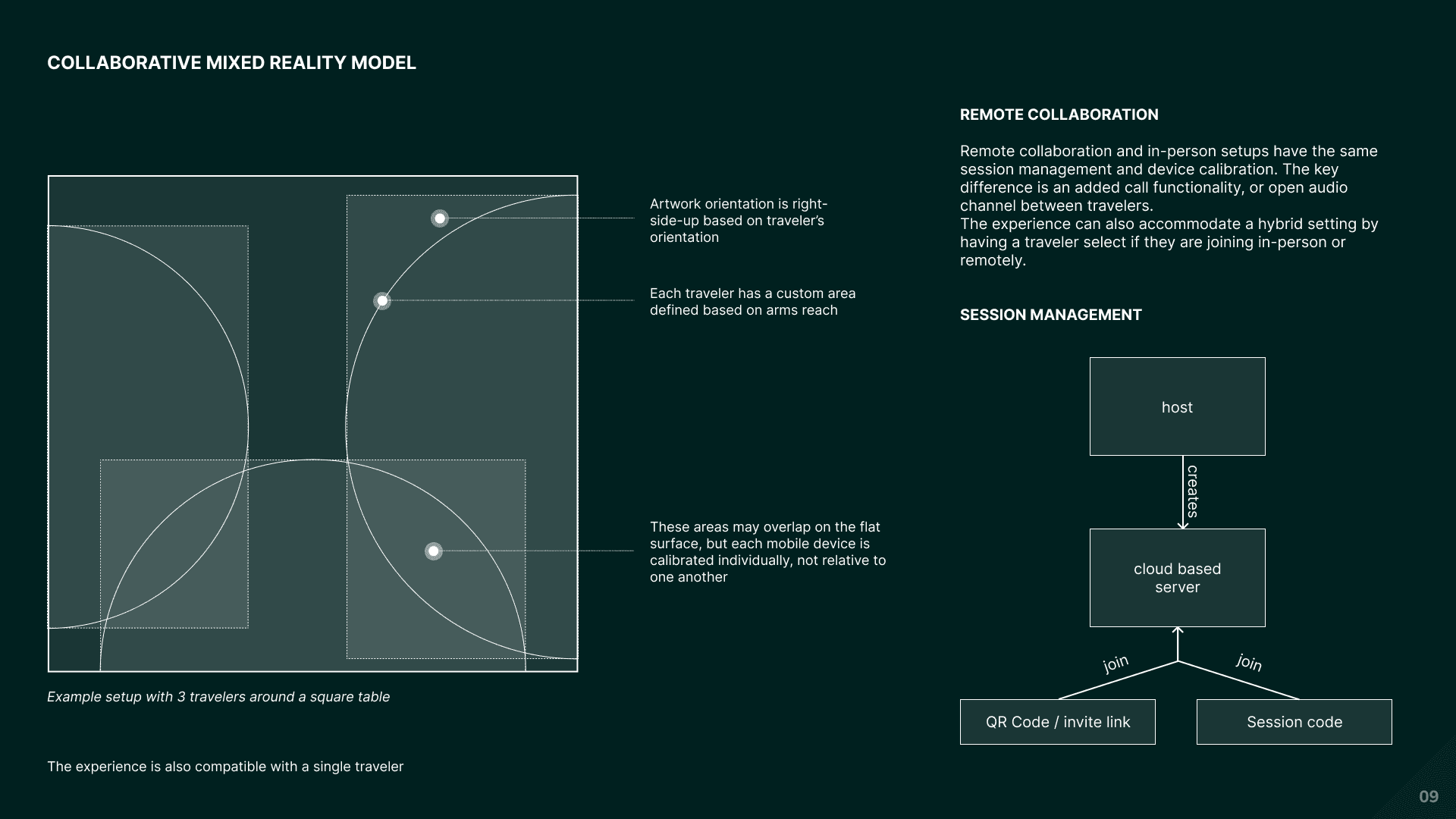
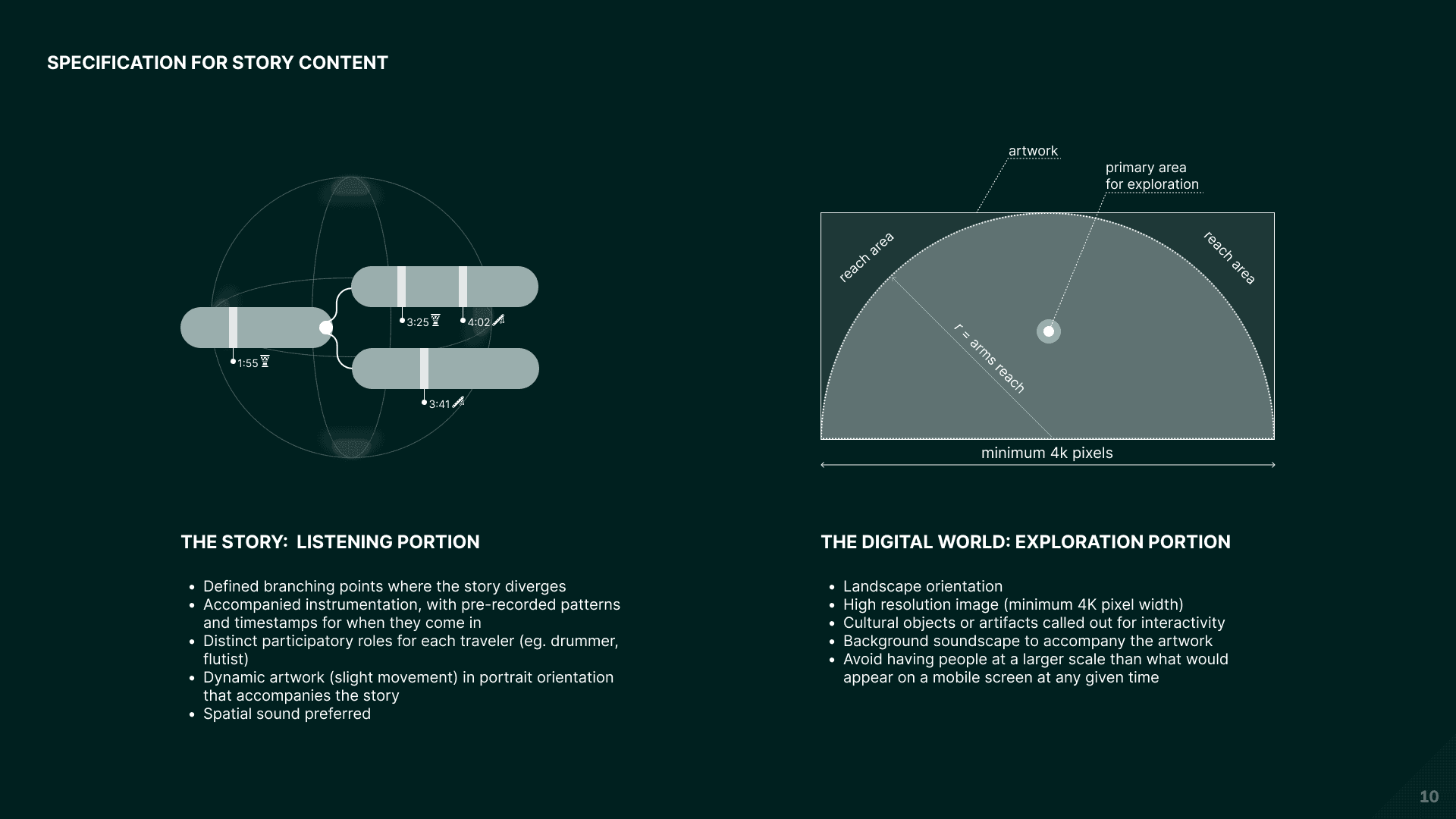
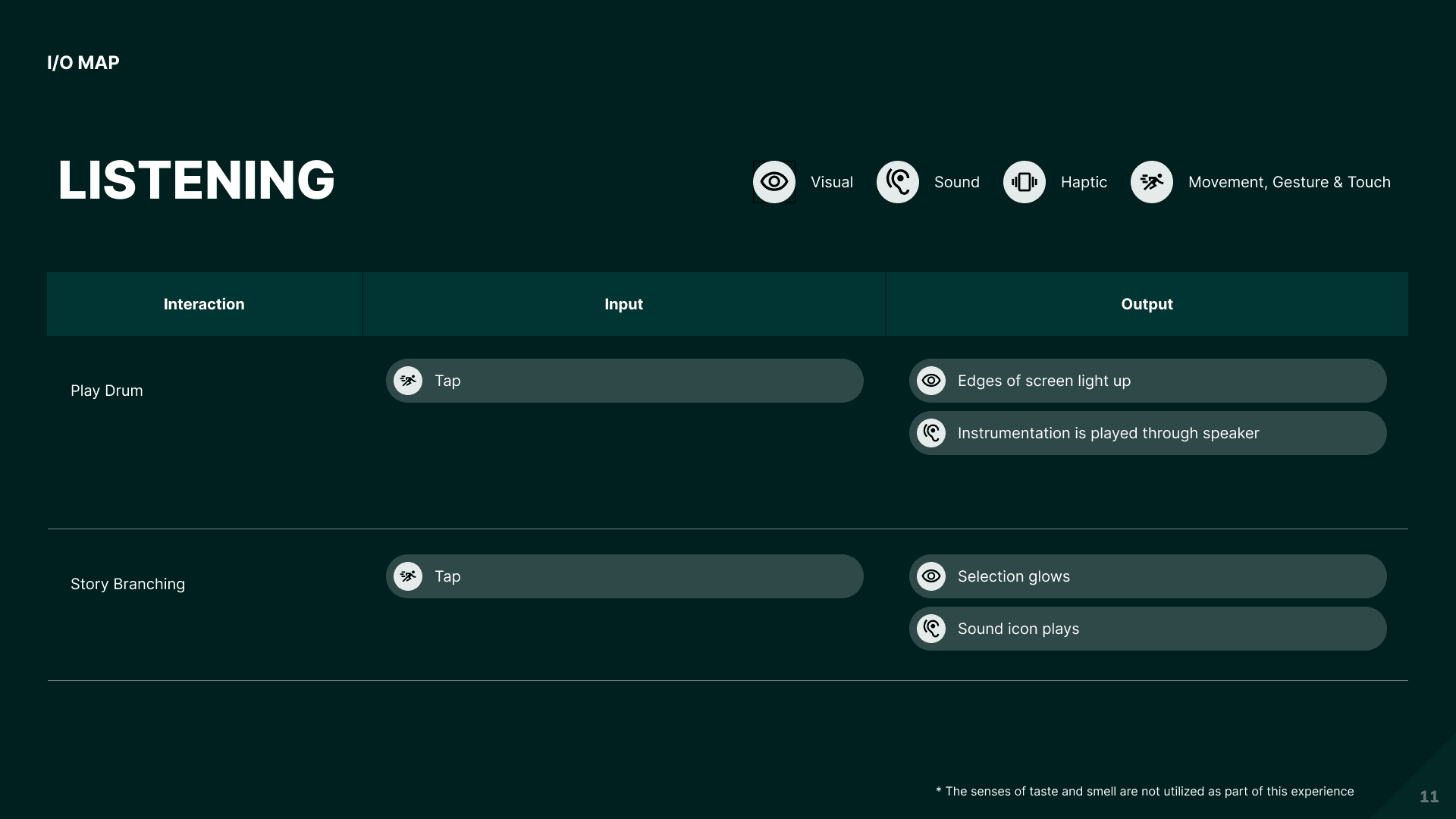
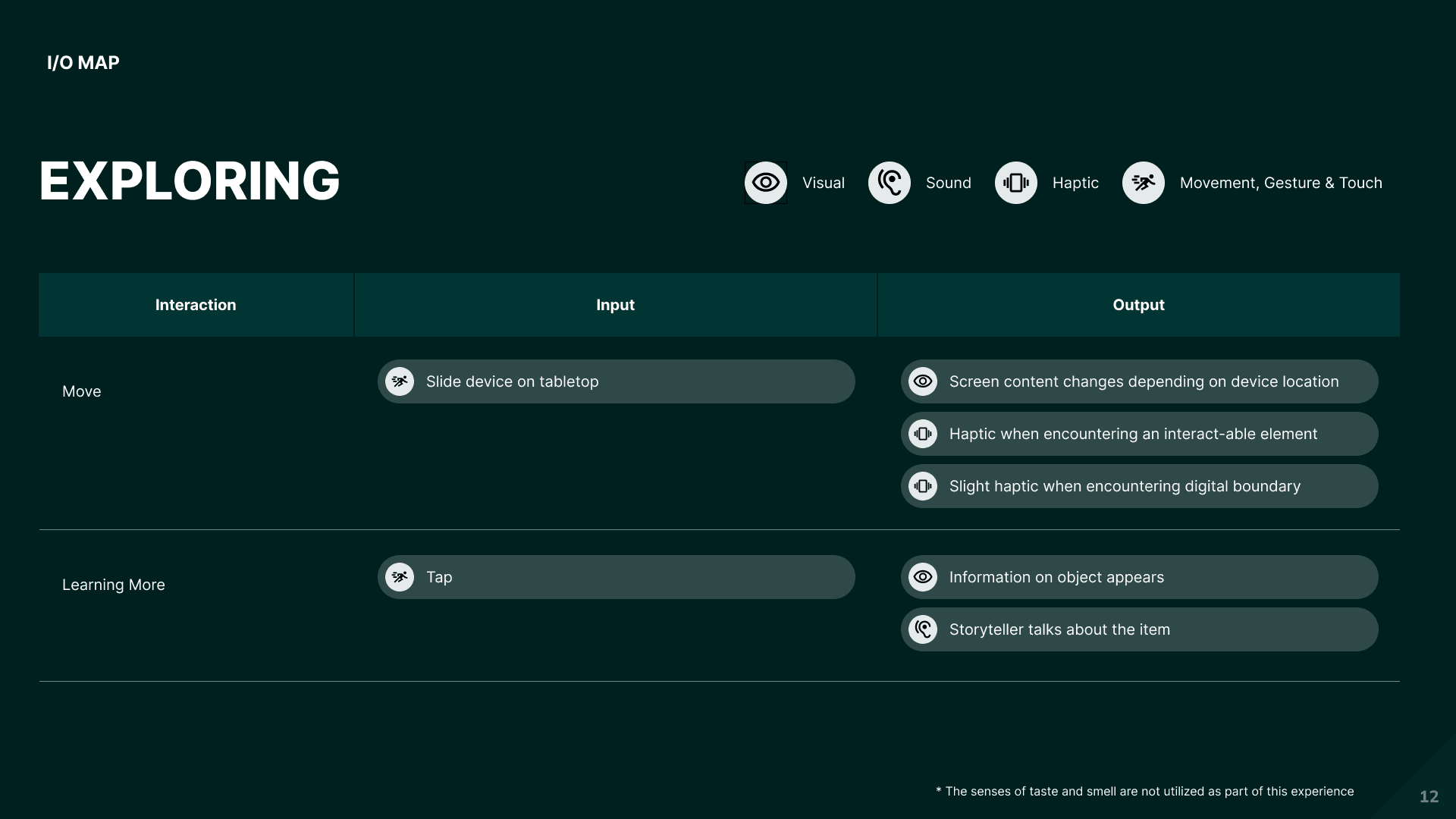
Creating thorough Diagrams and mapping the different aspects of not only the product but also specific interactions was necessary for multiple reasons. This allowed us to identify, discover connections between, and directly iterate on the many different aspects and touchpoints of Ubuntu.
This also helped us convey the dynamics and visualize the functionality to our stakeholders in addition to providing the means to reflect and iterate on specific points for future needs.
NARRATIVE STORYBOARDS
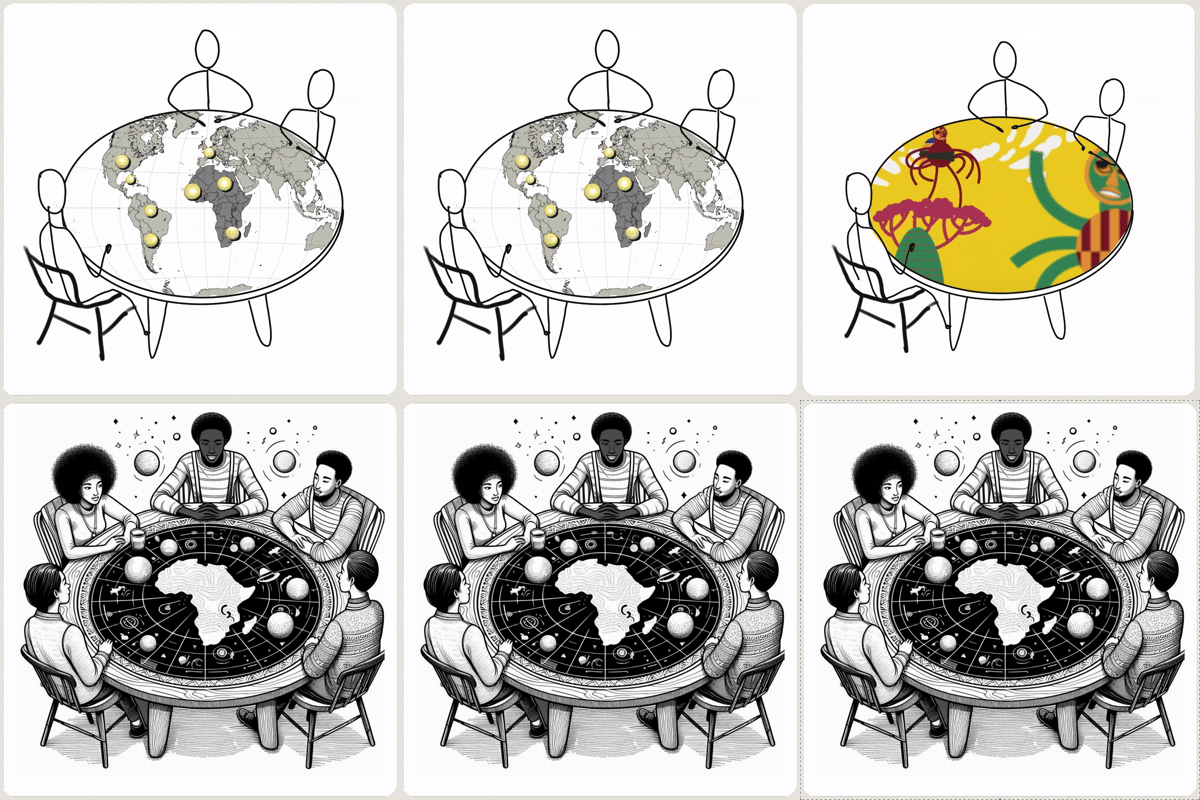
Storyboards gave the narrative a shape before any pixel was placed. In the initial ideation phase, they let the team sketch out sequence and emotional arc—working through pacing, tone, and moments of discovery as a story first, so that later design decisions had a throughline to serve rather than a blank page to fill.

Initial Concept Storyboards
In order to visualize and bring together our initial ideas we created a storyboard to depict the mechanics for how one might interact with a digital guide. This version focused on both projection technology and the use of AI to create a digital guide in the user space.
Refined Concept Storyboards
Refined the interaction and presentation mechanics, Ubuntu's next iteration was a group experience. Projecting the story onto the users' surface of choice. These shifts were driven by insights from both our research and co-design workshops and would help lead to our final User Flow and mechanics of interaction.

Final Narrative Storyboard
06 — EVALUATION
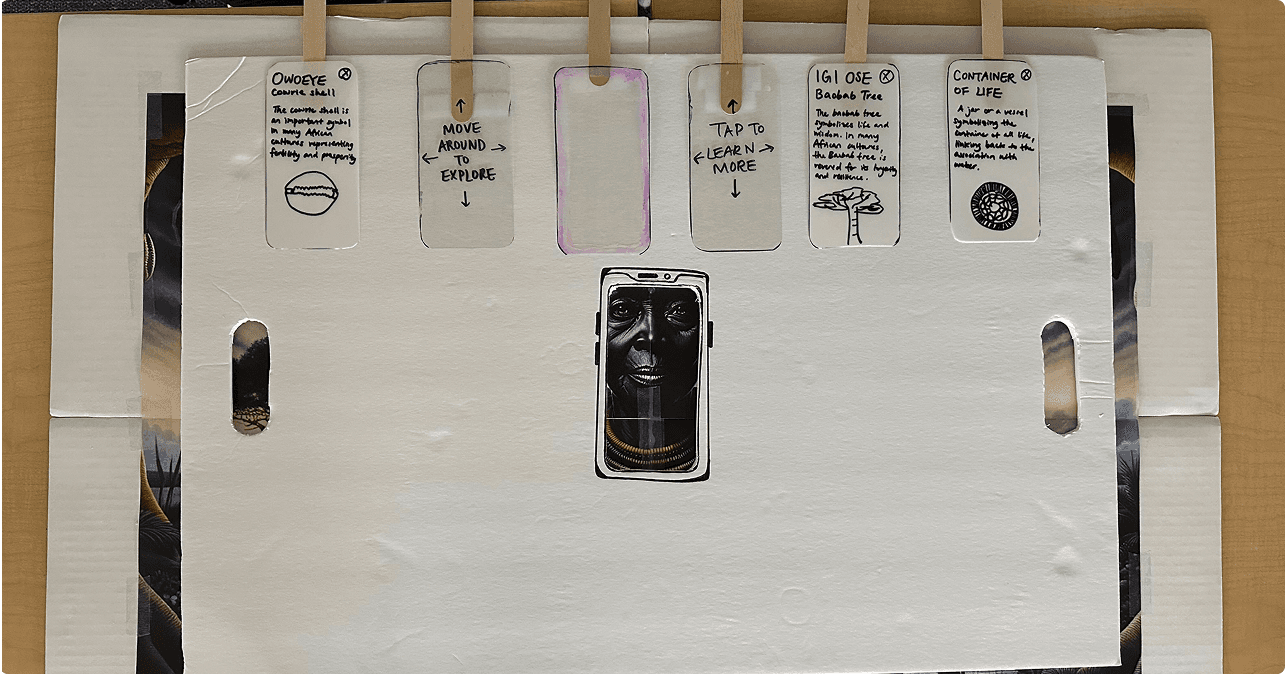
Since the mixed reality experience we envisioned merged the physical and digital realms, we aimed to create a Minimum Viable Product (MVP) to test a single user's embodied interaction with our product. Our AR model relies on an accelerometer and gyroscope to sense its environment. As current AR prototyping tools like Adobe Aero and Bezi rely on camera input, they couldn't accurately represent our desired interaction. Therefore, we went back to basics and experimented with paper prototyping.
Prototypes moved the project from intention to conversation. They gave the team something concrete to react to, allowing structure, language, and interaction to be tested as parts of a cultural experience rather than as isolated interface elements.
Testing showed where the experience felt intuitive and where it asked too much of people. Each session sharpened priorities around navigation, storytelling, and pacing—turning feedback into specific changes that improved clarity without flattening the project’s cultural depth.
Mockups
Our prototype highlighted the 'Interactive' Storytelling and discovery aspects of our concept.
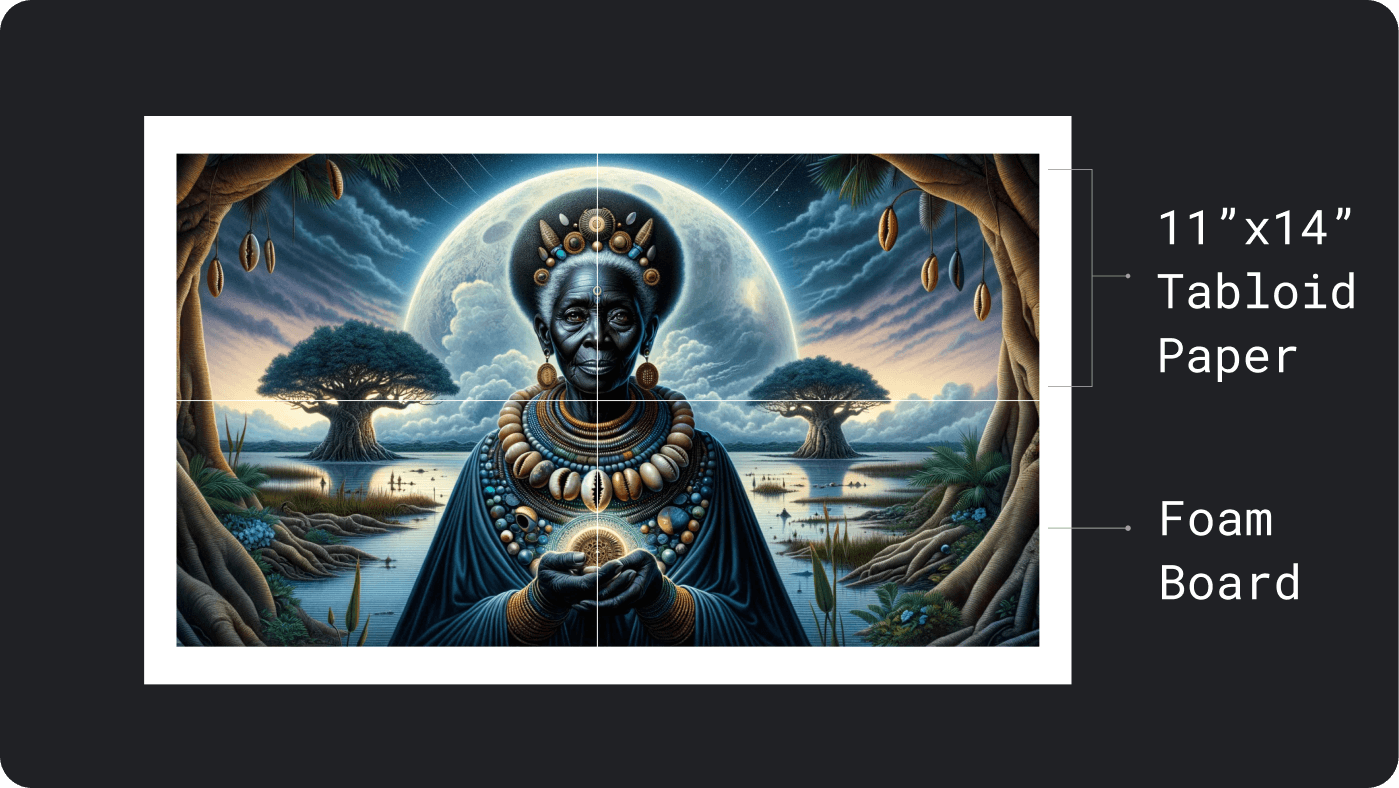
Storyworld
To emulate the storyworld our users would explore, we printed a large-scale image on four 11" x 14" tabloid papers. We then taped the images together on a foam core board. Users can move the foam board across the image to see different parts of the image.
Physical Prototype

Viewport
At any time, our users could only see one part of the image through their phone. To achieve this, we cut a phone-sized hole in the middle of a 20" x 30" foam core board. We also added handles to the board's edges for an easy grip.
Prototype Setup

Interactive Screens
At different points in the experience, users could interact with the screen by tapping on it. To simulate this, we cut phone-sized pieces from clear acrylic sheets and attached them to popsicle sticks.
Concept Evaluation

Interaction
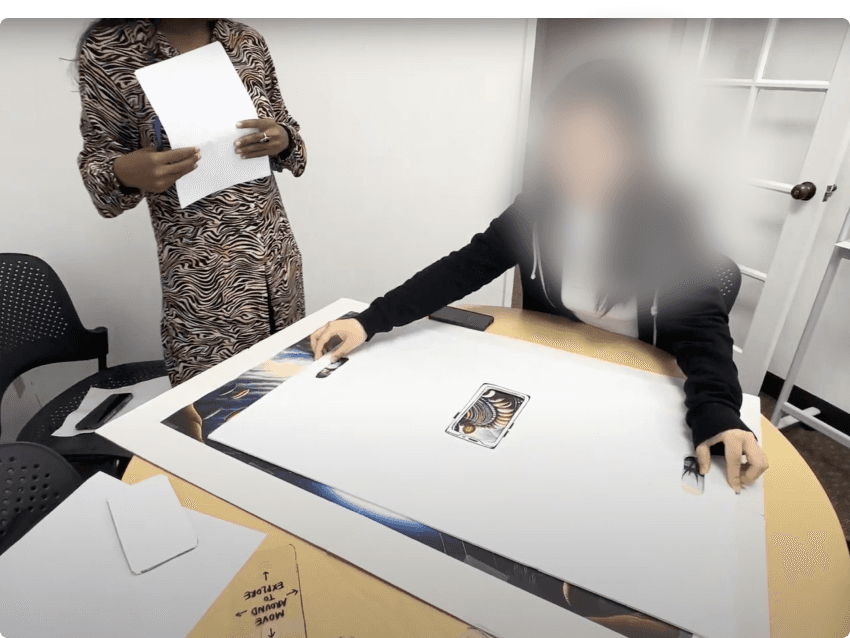
If an element is interactive, we would hold the acrylic sheets on top of the viewport. Users could then tap on the sheet to interact with it.
USABILITY TESTING
Concept Evaluation
We chose to test our concept using a semi Wizard of Oz methodology because we were still at an early stage of our prototype and we wanted to see what user reactions and interactions would be to our rapid Figma and Physical prototype. The goal of our study was to to observe how a user might intuitively use our product and to identify areas of improvement in each of the following interaction phases:
01
Branching Interaction - Participant expected the branching point to lead to another story and was confused when the original story continued.
02
"AR" Connection - Participant had a mental model of what she consider “augmented reality”. She was unsure if our experience fit her model and was unclear how it augmented reality. She also wondered if she could explore other parts of the room and not just the table in front of her.
03
Customizable interactive objects - During the exploration phase, participant wished she could tap on any object to learn more about it and not only the ones that were preselected by our system.
04
Collaborative part unclear - Participant was unable to envision how this experience could be collaborative as we had introduced it as “collaborative AR”.
07 — STYLE GUIDE
Brand Design
The visual language brought the research, interaction model, and institutional voice into one coherent system. Type, color, and compositional rhythm were chosen to feel contemporary and memorable while keeping the collection—and the stories it holds—at the center.
THE VISION
We used the Adinkra Symbols icon library created by Yoofi Graham and Kevin Hagan. These symbols represent a historical and philosophical significance, hailing from the Gyaman people of Ghana and la Côte d’Ivoire. These symbols were originally printed on cloth which royals wore to important ceremonies. The symbols have assumed global importance and are now found in many places.

Mockups
Our prototype highlighted the 'Interactive' Storytelling and discovery aspects of our concept.
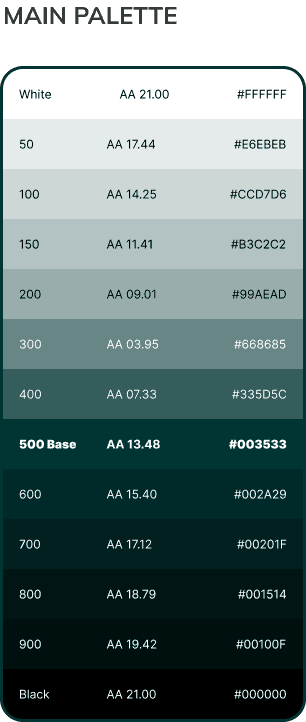
Color Swatch
Storyworld
I derived the color swatch for our design system from our company's own colors; taking caution to consider not only the messaging of Joy Media but also accessibility and legibility within our product ecosystem.
AI Generated Image in the likeness of Nana Baruku

Intentional Imagery
To increase the fidelity of imagery and audio, for Ubuntu's prototypes I employed the use of AI tools. However, when prompting I employed guidelines to ensure we depicted any figures and stories accurately and respectfully.
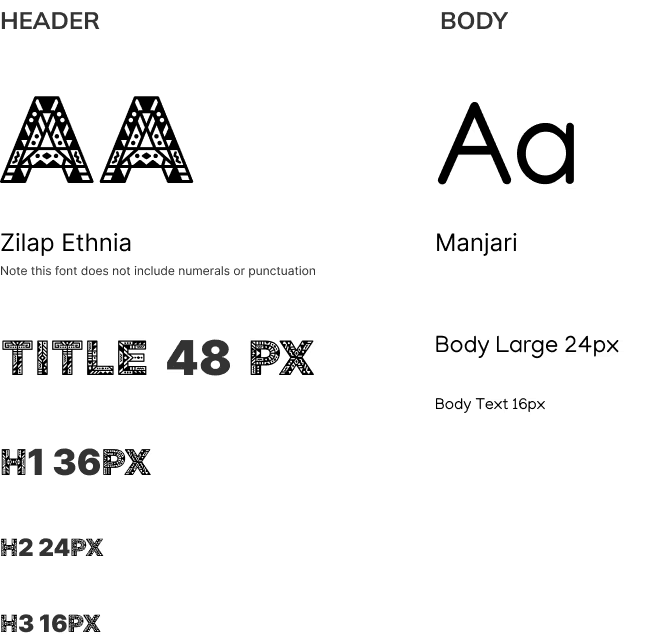
Typography
Beyond UI
For Ubuntu I wanted to find and employ fonts that embodied the stories within. Zilap Ethnia is inspired by the African Vai script invented in the 1800s by eight illiterate Vai men. I chose to pair this with Manjari, a clean and modern Sans-Serif font that still maintained some character and life.
Redlining

Redlining
To help with the future looking and real-world 'Feasibility' concerns of this space it was imperative to expand on the
08 — THE EQUITY CHALLENGE
Reflection
An early challenge to address was whether the goal was to create a solution that was geared toward being feasible and attainable by the National Museum of Liberia or a solution that was most effective and impactful for our main audience of influence.
Ultimately the direction of discovery and influence was: the impact of defining the space and factors as they relate to the ability to connect with African culture, the potential to develop guidelines for engaging with other cultures while prioritizing agency, and the importance of ethical research concerning both the diaspora and digital repatriation.
This project is rooted in addressing the profound lack of inclusion of African experiences and unequal focus on tragic and negative narratives concerning and surrounding depictions of Blackness. Lack of accessibility to this information can act as a significant barrier towards the development of connection, community, pride, and a positive sense of self for members of the African diaspora.